Strategy is a decision, not a document
If the strategy did not rule anything out, nothing was decided. We write down what you are choosing not to do, and we hold you to it through the design.
Independent studio · Est. 2016
Makeready is a multidisciplinary studio working across brand strategy, identity, digital product and campaigns. Our best work sits between those disciplines — a packaging decision that solves a retail problem, a type hierarchy that turns out to be a campaign strategy.
Disciplines: Brand strategy, Visual identity, Digital product, Websites, Campaigns, Creative technology.
Selected work
How we think
If a strategy did not rule anything out, nothing was decided. We write down what you are choosing not to do — and then we hold you to it through every design decision that follows, which is the part most studios skip.
The same discipline runs through the craft. We set the container first and push hard inside it, because freedom without a frame produces work that cannot be repeated, and repetition is what actually builds a brand.
How we work→If the strategy did not rule anything out, nothing was decided. We write down what you are choosing not to do, and we hold you to it through the design.
Every system we make will eventually be used by someone who was not in the room. Documentation, templates and rule sets are scope from day one, not a file we email at the end.
Vans, shop floors, wet bathrooms, ice buckets, direct sunlight. Three weeks of observation has resolved more arguments for us than three months of workshops.
Our best work sits between disciplines — a packaging decision that solves a retail problem, a type hierarchy that is actually a campaign strategy. We staff projects to make that overlap likely rather than accidental.
Services
Decide what the company is actually for, then write it down.
6–10 weeks→A system that still works when we are not in the room.
10–20 weeks→Interfaces designed for the conditions they are actually used in.
12–26 weeks→Fast, accessible, editable — and still worth looking at.
8–18 weeks→Ideas with a surface, a schedule and a reason to exist.
6–14 weeks→The interactive idea, built so it survives launch day.
8–16 weeks→Case studies
Every project here is written the way we would present it in a pitch: the problem, the argument, the decisions we made and the ones we argued against, and what actually happened afterwards.
Polished screens without reasoning win nothing. The reasoning is the work.
Mispronunciation was the loudest complaint and the cheapest to fix — a pronunciation line under the wordmark solved it without discarding six years of pharmacy trust.
Two-ink printing kept unit cost inside the existing packaging budget and produced a shelf pattern full-colour photography could never hold at distance.
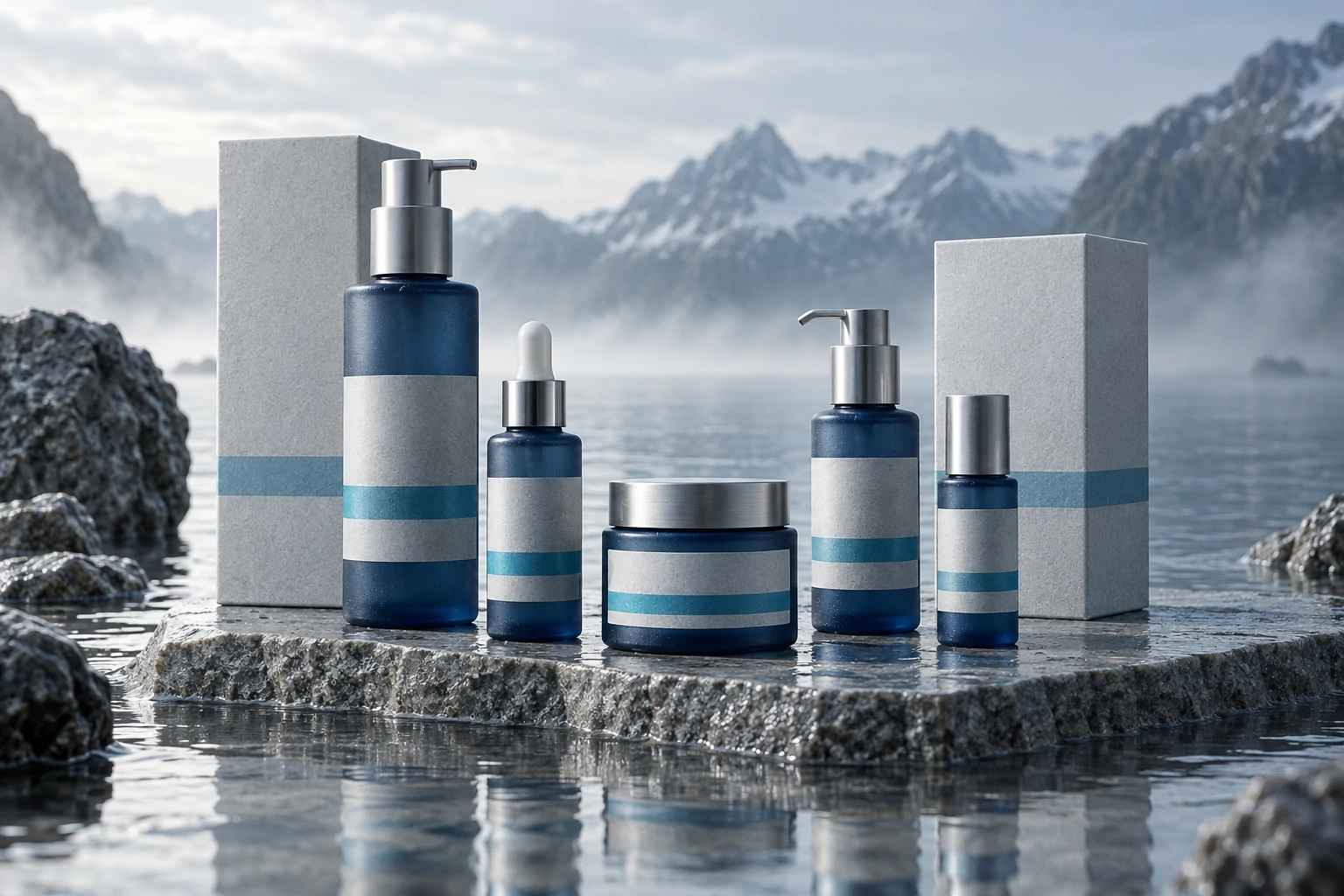
The client wanted a fifth 'premium' bottle for the flagship serum. A single silhouette was the point; we priced the flagship higher and left the bottle alone.
↳ From the Fjordlys case study
Industries
Genuine formulation science, presented in a category where every competitor makes the same claims with better photography.
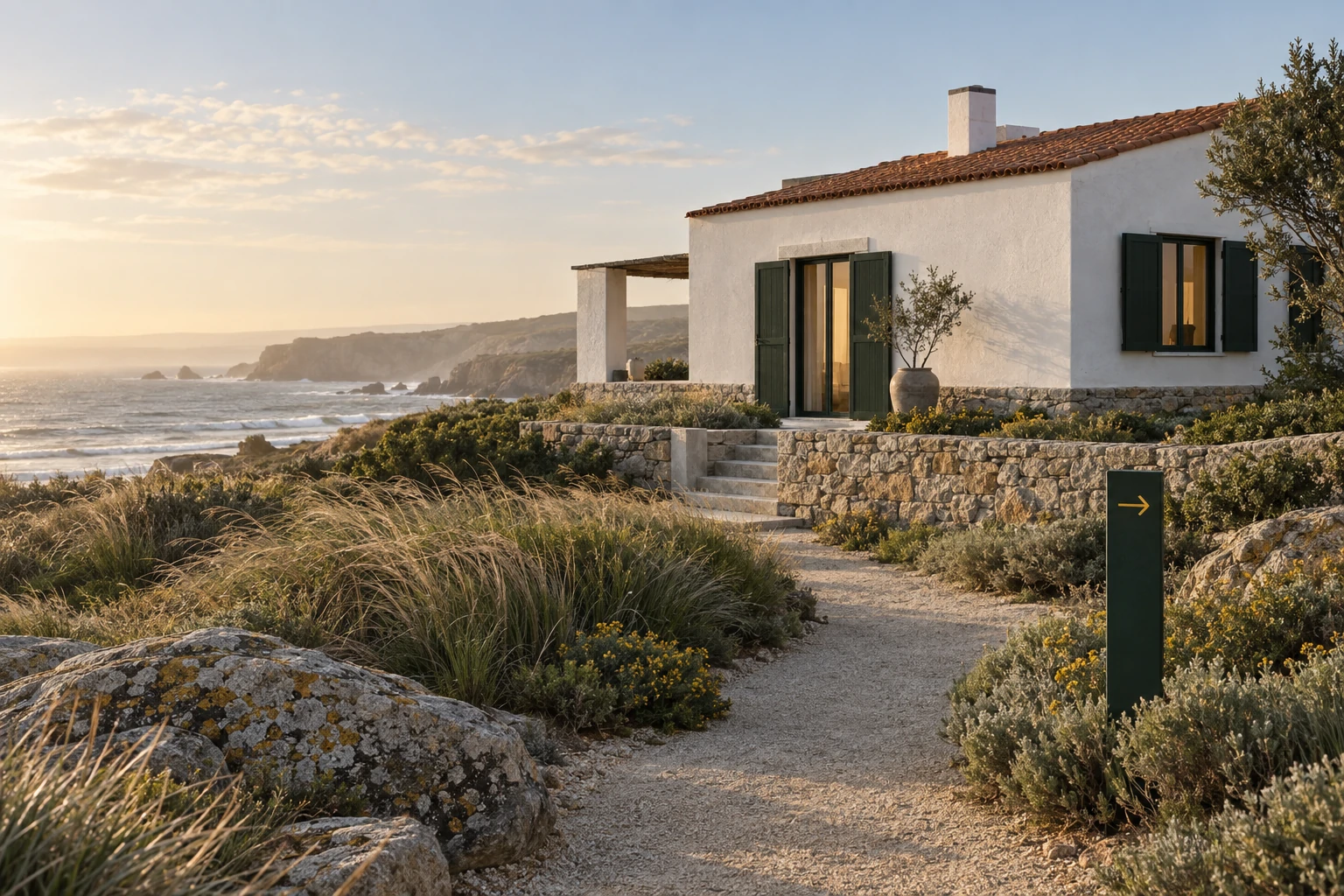
A group of properties with real local character and no shared identity, competing with each other for the same returning guest.
A product people already love and cannot name the maker of, with no budget to buy attention at the moment of consumption.
A launch calendar where one day matters more than the other 364, and infrastructure planned for the average rather than the peak.
Insights
Institutions that commission constantly do not need more consistency. They need a smaller, stricter thing to be consistent about.
Analytics told our client their field app was working. Everyone using it kept a paper list in their pocket.
Before buying attention, check what you are already holding at the moment the decision gets made.
Start a project
A 45-minute call with the people who would do the work. If we are not right for it, we will say so and suggest who is.